When the Body Speaks: Physical Symptoms of Nurse Burnout
Back to Blog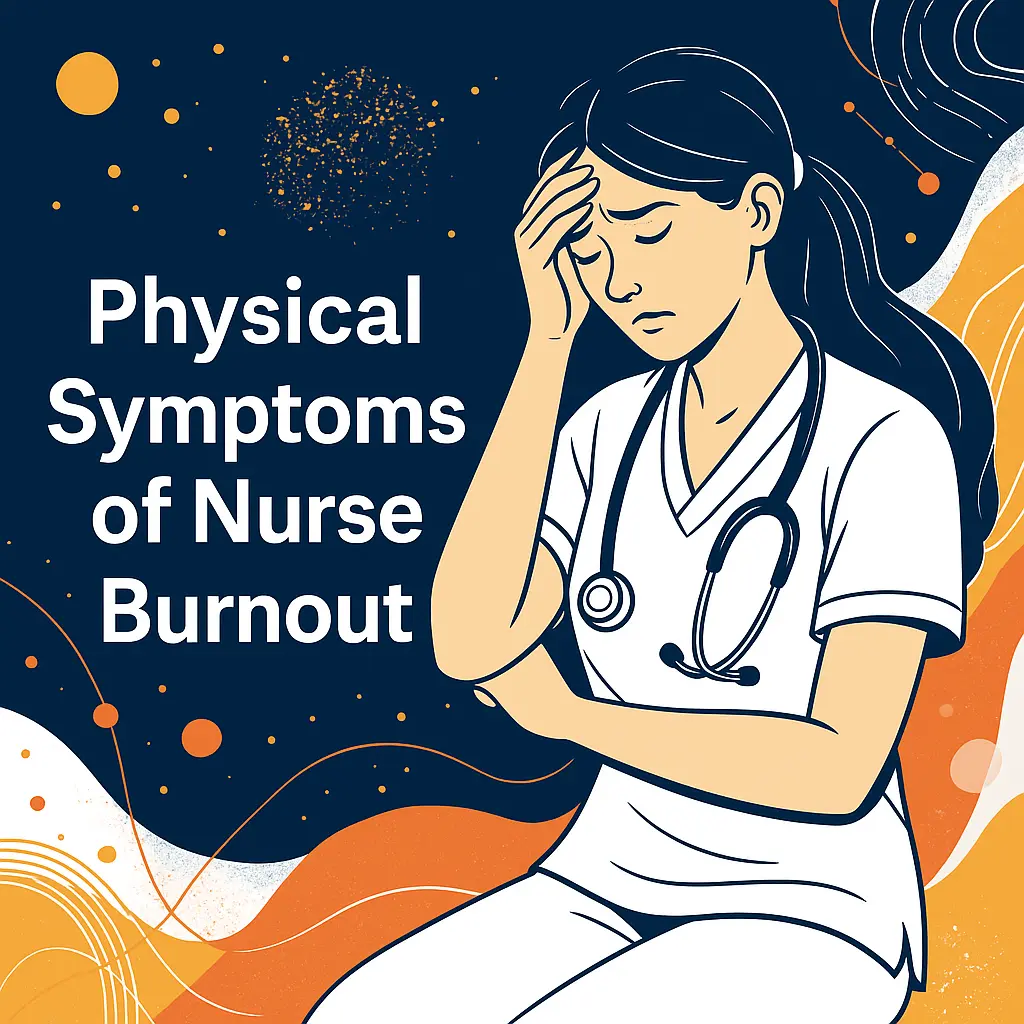
Authored by Dr. Pam Vollmer, DNP, RN, AMB-BC, NPD-BC, CEO and Director of Content for CE Ready
You might think burnout is just “in your head.” But for nurses, the body is often the first to raise the alarm. Chronic stress doesn’t just affect mood and motivation. It takes a toll on the nervous system, immune function, digestion, and more. These symptoms are not random. They’re biological responses to overwhelming and prolonged demands, and they deserve attention, not dismissal.
In this post, we explore the physical signs of burnout, how they differ from routine fatigue or illness, and what you can do to support your body’s recovery.
What Nurses Need to Know
Physical symptoms of nurse burnout are often the first signals to appear and the last ones to be taken seriously. When the nervous system stays under sustained stress, cortisol levels rise, immune function drops, sleep quality deteriorates, and the body signals distress through persistent fatigue, tension headaches, digestive upset, and frequent illness. These symptoms are not incidental or separate from burnout’s emotional dimensions — they are part of the same biological response to chronic occupational stress. Nurses in every setting — LPNs, RNs, and APRNs alike — are vulnerable, particularly those working rotating shifts, extended hours, or in high-acuity environments. Learning to recognize these physical signs early is one of the most actionable steps a nurse can take for their own health and for the safety of their patients. Recovery is possible and starts with treating the body’s signals as the clinical data they are. CE Ready is an ANCC-accredited nursing CE provider (Provider #P0986) based in Florida, offering online nursing CEUs designed around a nurse’s real schedule and real life. This post is the second in an ongoing weekly series on nurse burnout.
You finished your shift fourteen hours ago. You slept — you are certain of it — but standing at the coffee maker this morning, you feel like you never did. Your shoulders ache from yesterday’s patient lifts. Your stomach has been off for weeks. You have been telling yourself it is just a busy stretch, that it will pass, that you need a good stretch and an early night. But your body has been trying to say something more specific than that — and it is time to start listening.
The Biology Behind Nursing Burnout Symptoms
When stress becomes chronic rather than occasional, the body’s protective response system — designed to help you in short bursts — begins working against you instead.
Under prolonged stress, your adrenal glands continue releasing cortisol, the body’s primary stress hormone. In small doses, cortisol keeps you alert and responsive. When it stays elevated for weeks or months, it begins suppressing immune function, disrupting sleep architecture, increasing systemic inflammation, and interfering with digestion and hormonal regulation.
The American Psychological Association’s research on burnout and chronic stress confirms that this kind of sustained physiological activation creates measurable changes in how the body functions — changes that do not simply resolve when the stressful shift ends.
For nurses, these conditions are compounded by the physical demands of the job itself: hours on your feet, irregular eating and hydration, night shifts that disrupt circadian rhythms, and the sustained weight of caring for people in acute distress. The body is managing all of that simultaneously, and over time the load accumulates.
Harvard Health Publishing notes that sustained occupational stress takes a measurable toll on cardiovascular health, immune response, and neurological function — effects that accumulate over time and are not erased by a single day off or one good night’s sleep.
This is why the physical symptoms of burnout feel so stubborn. They are not random complaints. They are the body’s honest response to a nervous system that has been running in emergency mode for far too long.
Physical Signs of Nurse Burnout: A Full-Body Response
Physical symptoms of nurse burnout touch nearly every body system. Understanding that these signs are connected — part of the same biological response rather than separate, unrelated complaints — is an important step in taking them seriously.
| Physical Symptom | What It Typically Feels Like |
| Chronic fatigue | Deep exhaustion that persists even after a full night’s sleep |
| Tension headaches | Frequent pain at the temples, base of skull, or behind the eyes |
| Muscle pain and tightness | Neck, shoulder, and lower back soreness that does not fully resolve |
| Gastrointestinal issues | Bloating, acid reflux, constipation, or irregular digestion |
| Sleep disruption | Difficulty falling asleep, early waking, or unrefreshing sleep |
| Frequent illness | More colds, slower healing, and persistent low-grade inflammation |
| Appetite changes | Loss of appetite or stress eating, with resulting energy instability |
These symptoms often overlap, reinforce each other, and worsen over time when the underlying cause — chronic occupational stress — goes unaddressed. The sections below look at each one closely.
Chronic Fatigue: When Nursing Rest Stops Working
Of all the physical signs of nurse burnout, chronic fatigue is the most consistent and the most commonly dismissed. Burnout-related fatigue is qualitatively different from normal tiredness, and that distinction matters clinically. Normal tiredness resolves with sleep. Burnout fatigue does not.
You might sleep seven or eight hours and wake up feeling as though you never did. Activities that once felt manageable — a full shift, a walk after work, making dinner — begin requiring more effort than they should. Your body is not being dramatic. It is reflecting the reality of a nervous system that has been operating at high output for too long without meaningful recovery.
The National Academy of Medicine’s work on clinician wellbeing identifies sustained fatigue as one of the most consistent indicators that a healthcare worker’s occupational stress has reached a clinically significant level. That is not a reason for alarm. It is a reason to act.
If you were a patient describing this pattern — sleep that doesn’t restore, persistent low energy, difficulty completing daily tasks — you would take it seriously and investigate further. It deserves the same clinical respect turned inward.
A useful starting point: track your fatigue for two weeks. Note when it spikes, what seems to improve it, and whether rest is actually helping. That pattern is data your body is offering you — and it is worth paying close attention to.
Headaches, Muscle Tension, and Chronic Pain in Nursing Burnout
Nurses spend long shifts on their feet, lifting and repositioning patients, working in ergonomically difficult conditions. The physical demands are real — and they are compounded significantly by the physiological effects of chronic stress.
When the stress response stays activated, muscles remain in a low-level state of tension. In nursing, this typically shows up in the neck and upper shoulders first — the muscles most affected by sustained mental concentration and emotional bracing. Lower back pain is also common, particularly among nurses managing frequent patient handling.
What distinguishes burnout-related muscle pain from ordinary occupational soreness is its persistence. It does not resolve adequately after a day off. It may feel slightly better with rest and return immediately at the start of the next shift. Over time, chronic muscle tension contributes to tension headaches, reduced range of motion, and worsening sleep quality — creating a feedback loop that makes physical recovery harder to achieve.
A few things that make a measurable difference: five to ten minutes of intentional stretching after each shift, staying consistently hydrated throughout the day, and taking movement breaks even on the busiest shifts. These are not indulgences. They are maintenance. Your body cannot sustain the demands of this work without some basic mechanical care built into your daily routine.
Addressing muscle tension directly is one of the more concrete starting points for interrupting the physical cycle of burnout — and it is one of the easier ones to begin with today.
Digestive Symptoms and the Gut-Brain Connection in Burnout
The gut-brain axis is a well-established physiological pathway — a direct communication network between the central nervous system and the gastrointestinal tract. When your nervous system is under sustained stress, your gut feels it in a direct, measurable way.
For nurses experiencing burnout, gastrointestinal symptoms are extremely common and frequently normalized. Bloating, acid reflux, constipation, diarrhea, and irregular digestion are not incidental complaints. They are the gut responding to the same cortisol elevation and nervous system dysregulation affecting every other body system.
The nursing work environment compounds this. Meals skipped or eaten in hurried five-minute stretches, inconsistent hydration, long periods of movement that alter digestive rhythms — the gut is not designed to function optimally under these conditions sustained over months or years.
Chronic gastrointestinal symptoms also impair immune function and mood regulation — two resources nurses rely on heavily. If you have been experiencing persistent digestive issues and attributing them to something you ate or a bug that keeps coming back, consider whether the underlying driver is something more systemic.
Starting with consistent, small changes — eating a real meal at a predictable time, drinking water throughout each shift, and sitting down for at least part of your break — supports gastrointestinal recovery in ways that accumulate meaningfully over time.
Sleep Disruption and Circadian Stress in Nursing Burnout
Sleep is when the body repairs itself — when the brain consolidates memory, processes emotional experience, and restores the neurological resources that cognitive function and emotional regulation depend on. When sleep is disrupted by burnout, rotating shifts, or both, the consequences are not limited to feeling tired the next morning.
Burnout-related sleep disruption takes several forms: difficulty falling asleep despite exhaustion, waking frequently through the night, early morning waking with racing thoughts, or sleeping a full night and waking unrefreshed. Vivid, stress-laden dreams are also common, reflecting the nervous system processing unresolved tension during sleep hours.
For nurses on rotating schedules or night shifts, circadian disruption adds another layer entirely. The body’s internal clock regulates not just sleep but hormone release, digestion, immune response, and mood. Repeated disruption of these cycles over months and years takes a measurable physiological toll.
Here is my direct recommendation: advocate for schedule predictability wherever you have any influence. If rotating between nights and days is something you can address with your manager, make that conversation. Create a sleep environment that actively supports your body — dark, cool, and screen-free. Treat your sleep window with the same non-negotiable priority you give your clinical protocols, because the evidence supports that it belongs in that category.
If sleep disruption is severe, persistent, or accompanied by anxiety, a conversation with your primary care provider is the appropriate next step. Sleep is not a wellness preference. It is a biological requirement.
Immune Suppression: When Your Body Keeps Getting Sick
Chronic stress suppresses immune function. This is not a metaphor — it is a measurable physiological effect of prolonged cortisol elevation. The immune system depends on adequate sleep, regulated stress hormones, and consistent nutrition to function properly. Sustained burnout disrupts all three.
For nurses, this can look like catching every respiratory illness that moves through the unit, taking longer than expected to recover from minor illness or injury, or experiencing persistent low-grade inflammation as joint aches or general malaise. These are not coincidences. They are the body signaling that its reserves are depleted.
The American Psychological Association’s research on burnout and stress identifies chronic occupational stress as directly associated with increased illness susceptibility and impaired recovery — a finding that reflects what many nurses already experience but rarely connect explicitly to burnout.
If you have been getting sick more frequently or healing more slowly without a clear explanation, take that pattern seriously. Your immune system is sending information your schedule may be making it easy to ignore. Rest, consistent nutrition, hydration, and meaningful stress reduction are not optional wellness choices — they are the inputs your immune function requires to do its job at all.
Appetite Changes and the Burnout Cycle
Burnout disrupts appetite in two directions. Some nurses lose interest in eating altogether — skipping meals during shifts becomes habitual and extends to days off without fully registering. Others find themselves reaching for high-sugar, high-carbohydrate options that provide temporary relief but contribute to blood sugar instability, energy crashes, and worsening mood.
Both patterns reinforce the physical cycle of burnout. Irregular eating disrupts cortisol rhythm, impairs cognitive performance, and contributes to the irritability and low energy that already characterize burnout significantly.
The practical solution is less complicated than it might feel: bring food to each shift that you actually want to eat. Eat it intentionally, even if only for ten minutes. Pair meals with water rather than relying on caffeine alone. This is not about strict nutrition — it is about giving your body consistent fuel so it has something real to work with.
How to Support Your Body During Burnout Recovery
Recovery from the physical symptoms of nurse burnout begins with treating your body’s signals as the clinical data they are — and responding to them with the same urgency you would bring to a patient’s chart.
Prioritize sleep with the same seriousness you give patient safety. Blackout curtains, a consistent sleep window, reduced screen time before bed, and a cool sleep environment are recovery tools, not luxuries. Advocate for schedule predictability where you have any influence to do so.
Move intentionally, even when you don’t feel like it. Five to ten minutes of stretching after a shift, a short walk outdoors, or gentle yoga reduces cortisol, releases muscle tension, and supports digestive and lymphatic function. The goal is not fitness. It is physiological maintenance that your body genuinely needs.
Eat real meals and hydrate throughout your shifts. Pack food you want to eat. Set a water reminder if needed. Consistent nourishment stabilizes blood sugar, supports immune function, and improves concentration and mood over time.
Use your PTO proactively, not reactively. Rest scheduled before exhaustion sets in is preventive. Rest taken in crisis is recovery — and recovery takes longer and requires more when burnout has been building unchecked for months.
Seek care when symptoms persist. If fatigue, sleep disruption, gastrointestinal issues, or frequent illness are not improving, see your primary care provider. Rule out underlying conditions. Discuss burnout openly. Mental health support from a professional familiar with healthcare work is appropriate, evidence-based, and worth pursuing.
Your body has been doing extraordinary work under extraordinary pressure. It deserves the same standard of care you extend to every patient you see.
Reinvesting in Yourself as a Nurse
Something I have seen work — both in my own experience and in years of conversations with nurses across clinical settings — is the quiet but real impact of choosing to learn something new on your own terms, especially during a difficult season.
Continuing education done meaningfully, on topics a nurse actually finds interesting, has a different effect than CE completed as a compliance task. It reconnects you to professional curiosity. It reminds you that your growth is still happening — even now.
CE Ready is an ANCC-accredited nursing CE provider (Provider #P0986) based in Florida. CE Ready’s courses are designed to be completed at home, on your own schedule, at a pace that works around your life rather than adding to its demands. Whether you are meeting your renewal requirements or exploring something you have always wanted to know more about, CE Ready’s full course library offers options across a wide range of clinical and professional topics.
Not sure what your state requires? CE Ready’s state CE requirements guide has current requirements organized in one clear place. And when you are ready to get started, enrolling through CE Ready is simple and takes just a few minutes.
Investing in your professional growth is not separate from taking care of yourself. For many nurses, it turns out to be one of the most direct paths back to feeling like the nurse they know they are.
Frequently Asked Questions
Q: Are physical symptoms of nurse burnout different from regular work stress?
A: Yes. General work stress produces physical symptoms that typically resolve with rest or once the stressor passes. Physical symptoms of nurse burnout are more persistent — fatigue that sleep does not fix, recurring headaches, ongoing digestive issues, and frequent illness that continues even during time off. These signs indicate the nervous system is no longer recovering adequately between stressors, which is the defining characteristic of burnout rather than ordinary occupational stress.
Q: Can nurse burnout actually cause physical illness?
A: Yes. Chronic occupational stress at the level seen in burnout has been documented to suppress immune function, increase susceptibility to infection, impair wound healing, and contribute to cardiovascular strain over time. The American Psychological Association identifies burnout-level chronic stress as a direct contributor to measurable physical health decline. Frequent illness or unusually slow recovery without a clear cause is worth considering in the context of burnout.
Q: Which physical symptom of nurse burnout should I take most seriously?
A: All of them deserve attention, but chronic fatigue that does not improve with adequate sleep is the most clinically significant early signal. It indicates that the nervous system’s recovery capacity is compromised — which directly affects cognitive function, emotional regulation, immune response, and patient safety. If you are sleeping adequately and waking consistently unrefreshed, that pattern warrants a conversation with your primary care provider.
Q: How long does physical recovery from nurse burnout take?
A: Recovery is not linear and depends on how long burnout has been present, how consistently recovery strategies are applied, and whether the underlying causes are meaningfully addressed. Some nurses begin noticing improvement in sleep and energy within a few weeks of deliberate changes. Those with long-established burnout may need several months and professional support to see consistent progress. The National Academy of Medicine emphasizes that sustained clinician recovery requires both individual strategies and systemic support.
Q: Is exercise helpful for the physical symptoms of nurse burnout?
A: Intentional movement — even light activity like walking, stretching, or yoga — has documented benefits for burnout-related physical symptoms, including reduced cortisol, improved sleep quality, lower muscle tension, and better digestive function. Intensive exercise may be too demanding when burnout is severe, but gentle and consistent movement is appropriate and beneficial at any stage. The goal is physiological regulation, not performance. Even five to ten minutes of movement after a shift makes a meaningful difference over time.
References
American Psychological Association. (2022). Burnout and stress are everywhere. https://www.apa.org/monitor/2022/01/special-burnout-stress
Harvard Health Publishing. (2023). Stress at work takes a toll on the heart. https://www.health.harvard.edu/heart-health/stress-at-work-takes-a-toll-on-the-heart
National Academy of Medicine. (2022). Taking Action Against Clinician Burnout. https://nam.edu/initiatives/clinician-resilience-and-well-being/